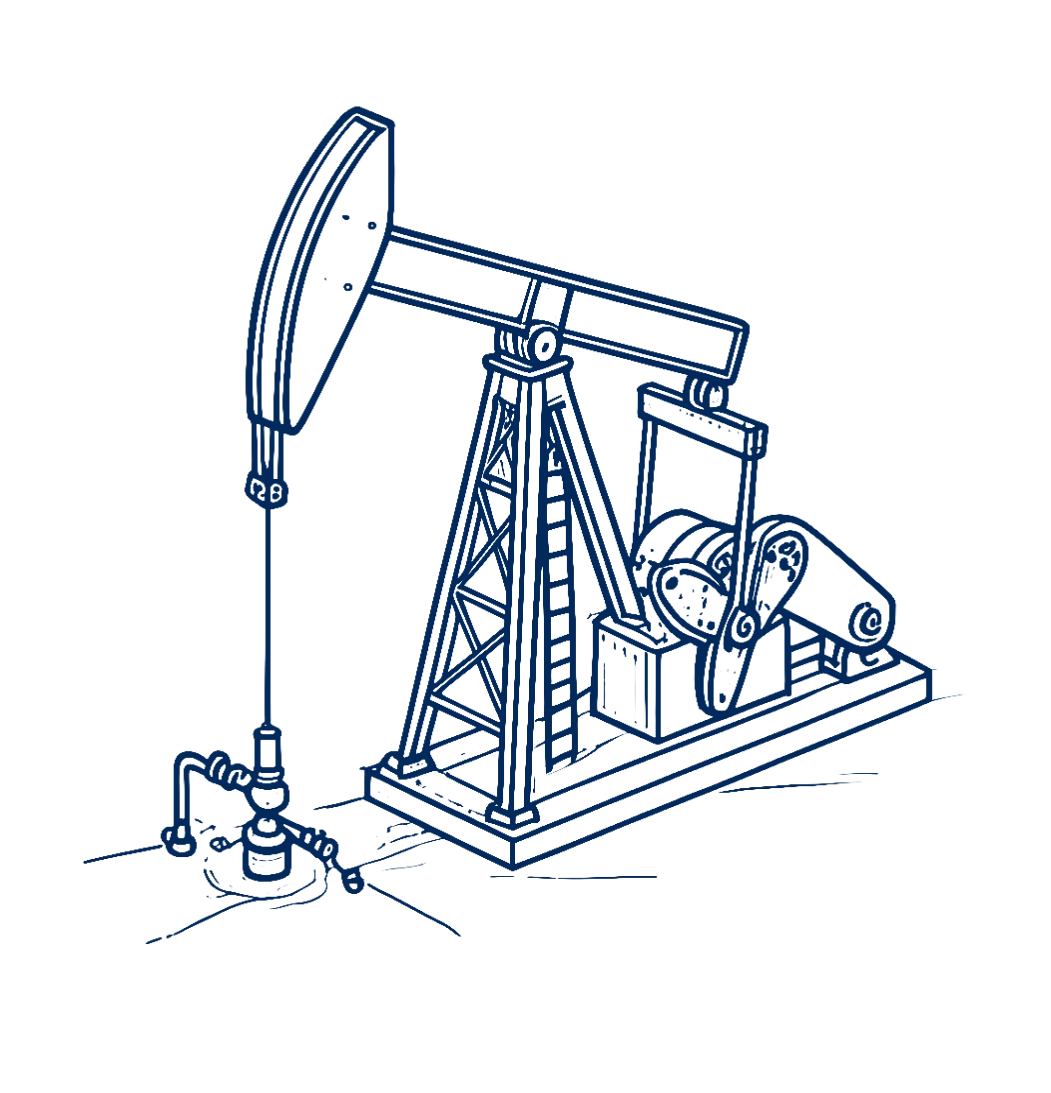
Oil sands extraction involves abrasive bitumen slurry that destroys steel wear surfaces at rates that make standard replacement intervals impractical. UHMW and Tivar UHMW liners and wear plates extend service life in slurry transfer chutes, pipelines, and handling equipment significantly compared to metal.
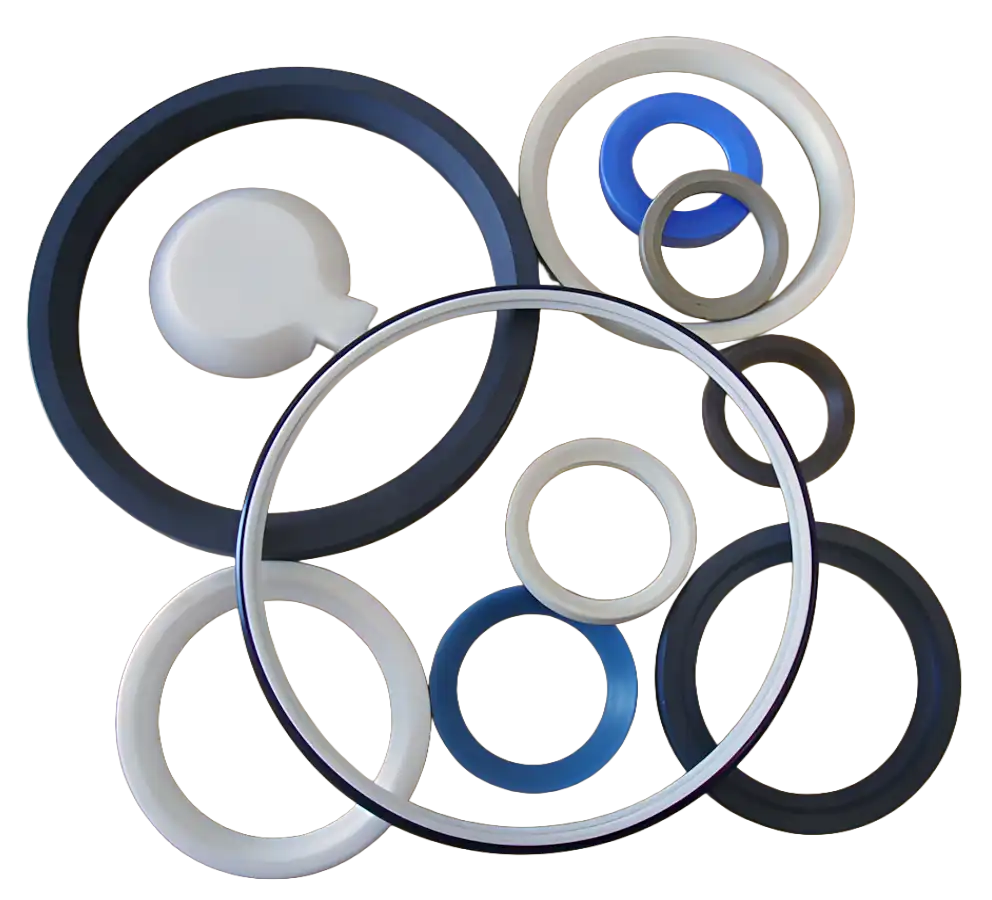
UHMW is the primary wear material for oil sands slurry handling, conveyor systems, and general wear applications. Its combination of abrasion resistance, impact toughness, chemical resistance to petroleum products, and cold-temperature performance covers the majority of oil and gas wear component requirements.
Tivar UHMW is specified for the highest-demand applications where standard UHMW service life is insufficient — extreme abrasion in slurry handling, low-temperature applications requiring maximum toughness, or antistatic requirements in specific processing environments.
HDPE is specified in oil and gas support applications involving aggressive process chemicals, produced water handling, and corrosive environments where UHMW's abrasion resistance is not the primary requirement but chemical resistance is. HDPE resists a broad range of oilfield chemicals where steel would corrode.
For food processing and more heavily regulated food-contact applications, see Pepco's food and beverage industry page.
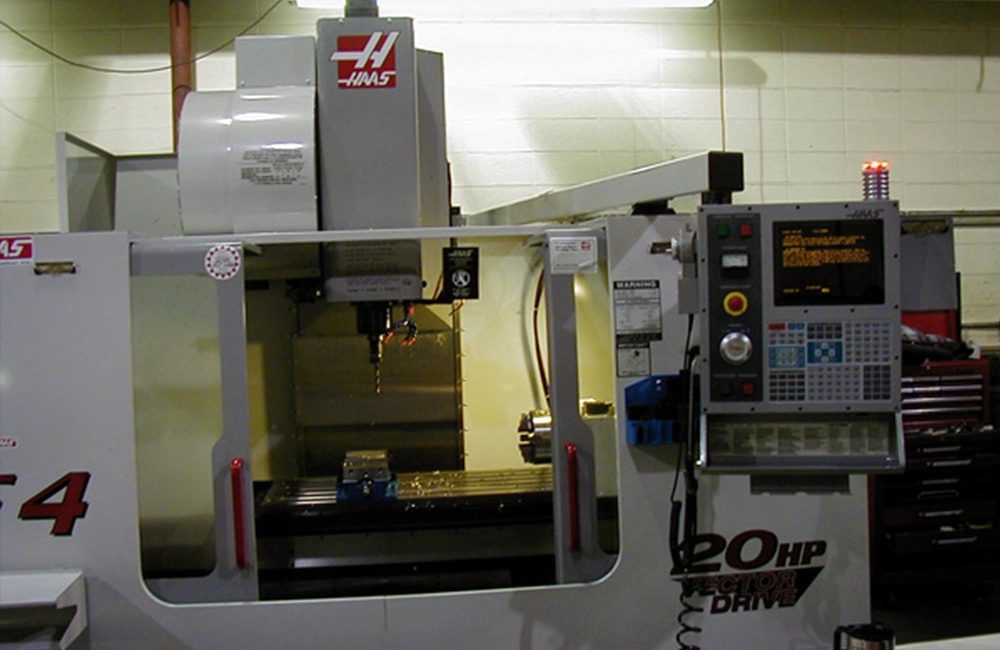
Pepco machines engineered plastic components for oil and gas applications from our Alberta facility. Alberta's position as the centre of Canada's oil and gas industry means Pepco understands the supply chain, the operational demands, and the procurement timelines that oil and gas operations run on. Custom fabrication is the standard mode for oil and gas work — replacement parts for existing equipment, wear assemblies profiled to specific equipment geometry, and machined components produced from drawings or samples. Pepco quotes from engineering drawings, CAD files, or samples. For urgent maintenance requirements, contact Pepco directly to discuss turnaround options. Pepco's CNC plastic machining capability handles the range of part geometries common in oil and gas applications — from flat wear plates and liner panels to precision-machined pump components and custom bearing assemblies.
UHMW's resistance to abrasive slurry is substantially better than steel — bitumen slurry is a particularly aggressive combination of abrasive solids in a carrier fluid, and UHMW's wear mechanism (deformation rather than cutting) makes it more durable in this environment. For the most severe slurry handling applications, Tivar 1000 provides additional performance margin. Pepco can advise on material and thickness selection based on your specific slurry characteristics.
Pepco manufactures engineered plastic wear parts and components for Alberta's oil and gas industry. Whether you need UHMW liners for an oil sands slurry system, Tivar wear strips for a demanding conveyor application, or custom-machined plastic components for oilfield equipment, send your specs and request a quote.